
ADVERTISEMENT
Last Updated on September 28, 2025 by Grayson Elwood
Our story is about DNA test surprises, family mix-ups, and the strength of love when biology tells a different story.
The First Shocking Result
Paul was the one who wanted to try the test first. He said it would be fun to explore his ancestry and pass along stories to our son, Austin. Weeks later, the results arrived—and changed everything.
The words hung heavy between us. My heart raced. Betrayal? Infidelity? None of it made sense. I knew, with every fiber of my being, that I had never been unfaithful. And yet, there it was in black and white.
The trust we had built, the years of memories—it all seemed to tremble on shaky ground.
My Own DNA Test
When my results came back, they carried an even heavier blow: Austin wasn’t biologically mine either.
Searching for Answers
We went back to the beginning—to the hospital where I’d given birth. After tense meetings, stacks of paperwork, and hushed conversations with administrators, the truth came out.
The room spun as the reality sank in. For years, we had been raising someone else’s biological child, while another family had been raising ours.
Meeting the Other Family
Not long after, we were introduced to Sarah and James—and their son, Andrew.
We all sat in stunned silence at first, the weight of years of love and years of loss pressing down on us.
A Difficult but Loving Decision
After long conversations filled with tears and questions, both families reached the same conclusion.
It wasn’t the easy choice, but it was the one that put the children first.
Redefining Family
Now, we have something even greater: an extended family. Austin has Andrew. Andrew has Austin. And we all share the determination to give both boys a future filled with love, trust, and truth.
What We Learned
This journey taught us something powerful: family isn’t written only in DNA. It’s written in bedtime stories, scraped knees bandaged, birthdays celebrated, and tears wiped away.
Yes, the truth was painful. But it gave us clarity. It gave us two sons, in two homes, bound by one story.
And today, when I look at Austin, I don’t see a mix-up or a mistake. I see my child. My gift. My son.
Cold sores, also known as fever blisters, are a common viral infection primarily caused by…
Wrinkles sneaking in where your smooth skin used to be? Dark spots that seem to…
Sienna’s world shatters right after she uncovers her husband Cameron’s betrayal. While he’s away on…
When life gets hectic and your to-do list is longer than your arm, there’s something…
Ever since Kamala Harris had to leave the office of the Vice President, she has…
On our wedding anniversary, my husband put something in my glass. I decided to replace…
Chin whiskers in women, which are often a source of concern, are more common than…
Many people are unaware that certain popular drugs can adversely impair their memory and brain…
Finding the perfect partner often feels like a mix of destiny, compatibility, and timing. But…
Former President Barack Obama is at the center of potentially damning new details uncovered by…
Who is a child without roots? No one. A ghost that accidentally found a physical…
I grew up very poor. When I was 13, I was at a classmate’s house…
Some recipes come and go with the seasons, but this Layered Pasta Salad is a…
The summer sun scorched the sidewalks of Fifth Avenue in New York. Beneath the harsh…
If you’ve ever wondered how to turn a humble onion into something elegant and unforgettable,…
Last Updated on May 10, 2025 by Ezoic Ezoic
Cold sores, also known as fever blisters, are a common viral infection primarily caused by the herpes simplex virus type 1 (HSV-1). In some cases, herpes simplex virus type 2 (HSV-2)—usually associated with genital herpes—can also lead to cold sores, especially through oral-genital contact.
What Causes Cold Sores?
Cold sores are highly contagious and spread easily from person to person, most often through contact with infected saliva or skin. Common ways the virus is transmitted include:
Direct contact: Kissing or sharing drinks, food, or utensils with an infected person.
Indirect contact: Using items contaminated with the virus, like towels, lip balm, or cutlery.
Self-infection (Autoinoculation): Touching a cold sore and then touching other parts of the body, such as the eyes or genitals, can spread the virus.
Recognizing the Symptoms
Cold sores tend to follow a series of stages:
- Tingling or itching: A burning or itching sensation is often the first sign, occurring 1–2 days before the sore appears.
- Formation of blisters: Small, fluid-filled blisters develop, usually near the lips but sometimes on the nose or gums.
- Blister rupture: The blisters break open, forming painful, red sores. This is the most contagious stage.
- Scabbing: The sores dry out and develop a crust, which eventually falls off during healing.
A typical outbreak lasts about 7 to 10 days. While the sores heal, the virus stays dormant in the body and can become active again during certain triggers.
What Triggers an Outbreak?
Several factors can reactivate the virus and cause new sores:
- Emotional or physical stress
- Exposure to sunlight or UV rays
- Hormonal shifts, such as those during menstruation or pregnancy
- Other illnesses, including colds and fevers
- Weakened immune system, due to medical treatments or health conditions
How Are Cold Sores Treated?
There’s no permanent cure for cold sores, but treatments can help manage symptoms and speed up healing:
1. Antiviral pills: Medications like acyclovir, valacyclovir, or famciclovir can reduce the length and severity of an outbreak, especially if taken early.
2. Topical antiviral creams: Help ease symptoms and may reduce viral spread.
3. Pain relievers: Over-the-counter medications like ibuprofen or acetaminophen, or numbing creams, can help relieve discomfort.
4. Moisturizing balms or creams: Soothing lip products can reduce dryness and ease pain around the sores.
Tips for Prevention
To avoid spreading cold sores or triggering outbreaks, try the following:
Avoid kissing or close contact during an active outbreak
Don’t share personal items like lip balms, cutlery, or towels
Use lip sunscreen if sun exposure is a known trigger
Support your immune system through a balanced diet, regular exercise, and stress management
When Should You See a Doctor?
It’s a good idea to consult a healthcare provider if:
Outbreaks happen frequently or are unusually painful
Over-the-counter remedies aren’t helping
The sores spread beyond the lips or grew significantly in size
Pain interferes with eating, drinking, or speaking
You have a weakened immune system, which can increase complications
The cause of Alzheimer’s may lie within your mouth

Alzheimer’s is the most popular reason of dementia in the UK, NHS notes. The exact cause of it is not fully understood such as increasing age, untreated depression, a family history of the condition, and lifestyle factors and conditions linked to cardiovascular diseases, among the rest.
However, in recent years, an increasing number of scientific studies have found that Alzheimer’s isn’t just a disease, but an infection.
A 2019 study finds that Alzheimer’s may be connected to gum disease.
“Infectious agents have been implied in the development and progression of Alzheimer’s disease before, but the evidence of causation hasn’t been convincing,” Dr. Stephen Dominy, Cortexyme co-founder, explained.

Looking at gingipains, the toxic enzymes of P. gingivalis, scientists explored that high gingipain levels were related to the presence of two other proteins already linked with the development of Alzheimer’s: tau and ubiquitin.
However, the team also found the presence of these toxic gingipains in the brains of deceased patients who were never diagnosed with Alzheimer’s.
The question is whether they would be diagnosed with the diseases had they been alive, or is it the Alzheimer’s that cause poor oral care.
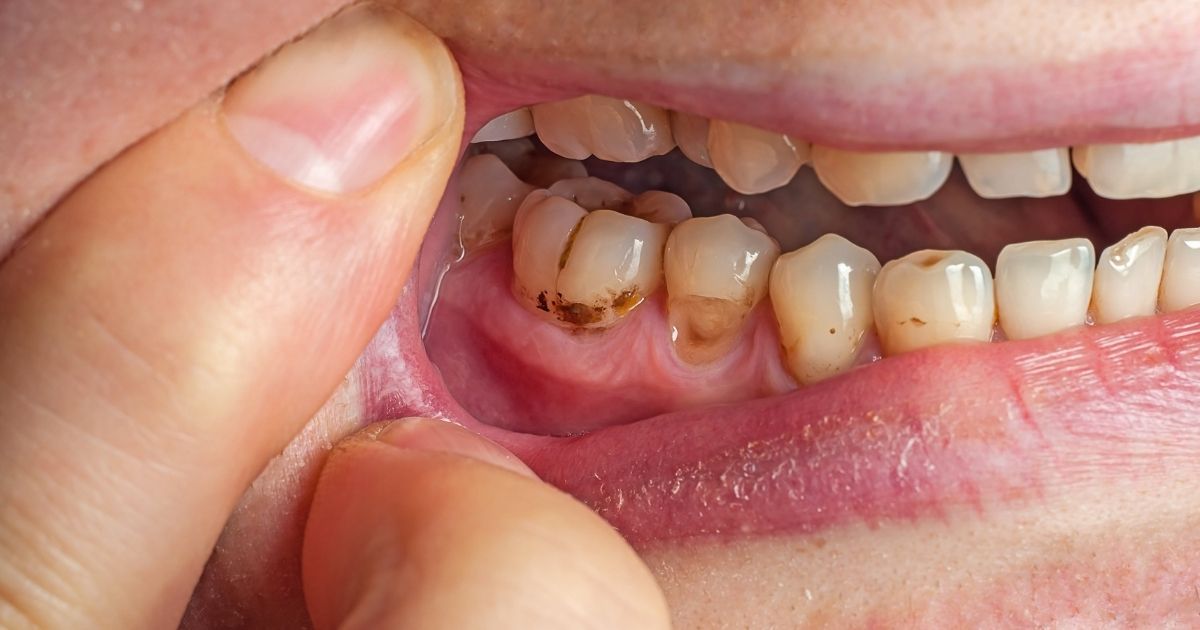
“Our identification of gingipain antigens in the brains of individuals with AD and also with AD pathology but no diagnosis of dementia argues that brain infection with P. gingivalis is not a result of poor dental care following the onset of dementia or a consequence of late-stage disease, but is an early event that can explain the pathology found in middle-aged individuals before cognitive decline,” the authors explained in their paper.

The mice experiment also revealed a decrease of amyloid-beta production and neuroinflammation because of a compound formulated by the company called COR388.
“Drugs targeting the bacteria’s toxic proteins have so far only shown benefit in mice, yet with no new dementia treatments in over 15 years it’s important that we test as many approaches as possible to tackle diseases like Alzheimer’s,” chief scientific officer David Reynolds from Alzheimer’s Research said.
Chin whiskers in women, which are often a source of concern, are more common than…
Many people are unaware that certain popular drugs can adversely impair their memory and brain…
President Donald Trump has made a another appointment that has sent Democrats into a frenzy….
The Timpanogos High School Choir was determined to entertain their audience with a twist on…
I thought my big business trip to LA was going to be just another day…
Sienna’s world shatters right after she uncovers her husband Cameron’s betrayal. While he’s away on…
There are few things in life more comforting than a bowl of warm, creamy rice…
Jake’s peaceful day at the lake took an unexpected turn as a wild snake appeared…
Some recipes just have a way of wrapping you in warmth — like a soft…
On our wedding anniversary, my husband put something in my glass. I decided to replace…
When life gets busy — and it always does — it’s easy to fall into…
In a recent move to combat anti-Semitism, former U.S. President Donald Trump signed an executive…
Last Updated on May 31, 2025 by Ezoic Ezoic
Chin whiskers in women, which are often a source of concern, are more common than many realize. These facial hairs can differ in texture and color, ranging from fine and light to coarse and dark. While some women may notice only a few stray hairs, others might experience more pronounced growth. While some women may notice only a few stray hairs, others might experience more pronounced growth. Understanding the underlying causes of chin whiskers is very important for managing them effectively. It’s important to recognize that chin whiskers are a normal part of life for many women, and they can be influenced by many factors including hormonal changes, genetics, and certain medical conditions.
The Science Behind Chin Hair Growth

Like all body hair, hair growth on the chin is influenced by the hair growth cycle which includes the anagen (growth), catagen (transitional), and telogen (resting) phases. Androgens, a group of hormones that includes testosterone, play a crucial role in stimulating hair growth. While women naturally produce androgens, an imbalance or increased sensitivity to these hormones can lead to more noticeable facial hair. The density and distribution of hair follicles, which are determined genetically, also affect how much hair grows on the chin.
Hormonal Factors Contributing to Chin Whiskers
Hormonal fluctuations are a main cause of chin whiskers in women. Conditions such as polycystic ovary syndrome (PCOS) can lead to elevated androgen levels, causing hirsutism, which is excessive hair growth in areas where men typically grow hair. Menopause is another period when women might notice an increase in facial hair due to a decrease in estrogen levels, which can alter the balance of hormones. Birth control pills and other medications that affect hormone levels can also contribute to changes in facial hair growth.
Genetic Predispositions and Family History
Genetics play an important role in determining hair growth patterns. If your mother or grandmother had chin whiskers, you might be more likely to experience them as well. Ethnicity can also influence hair growth, with women of Middle Eastern, Mediterranean, and South Asian descent often experiencing more facial hair. Understanding your family history can provide insights into what you might expect regarding facial hair growth.
Medical Conditions Linked to Excessive Facial Hair
Some medical conditions are associated with excessive facial hair in women. PCOS is the most common, but other conditions such as adrenal gland disorders, Cushing’s syndrome, and certain tumors can also cause increased androgen production. Hypothyroidism can sometimes be linked to changes in hair growth patterns. It’s important for women experiencing sudden or excessive facial hair growth to consult with a healthcare provider to rule out underlying medical issues.
Top 10 Effects of Chin Whiskers on Women’s Health and Well-being
1. Self-consciousness and embarrassment.
2. Anxiety and stress about appearance.
3. Time and financial costs of hair removal.
4. Skin irritation from frequent hair removal.
5. Impact on social interactions and relationships.
6. Negative body image and self-esteem issues.
7. Obsession with checking and removing hair.
8. Avoidance of certain social situations.
9. Concerns about underlying health issues.
10. Potential for depression or anxiety disorders.
Psychological Impact and Self-esteem Concerns
The presence of chin whiskers can significantly affect a woman’s self-esteem and body image. Many women feel embarrassed or self-conscious about their facial hair, causing anxiety and a negative self-image. This can affect social interactions, professional life, and personal relationships. The pressure to conform to societal beauty standards can exacerbate these feelings, making it important to address the psychological impact and seek support if needed.
Social Perceptions and Cultural Influences
Cultural norms and societal expectations play a crucial role in how women perceive facial hair. In many cultures, smooth, hairless skin is considered the ideal, leading women with facial hair to feel stigmatized or less feminine. Media portrayals and beauty standards often reinforce these perceptions, contributing to the pressure women feel to remove facial hair. However, attitudes are slowly changing, with more conversations around body positivity and acceptance of natural beauty.
Effective Hair Removal Techniques and Options

There are many hair removal options available for women with chin whiskers. Temporary methods include plucking, waxing, shaving, and depilatory creams. For longer-lasting results, women can consider laser hair removal or electrolysis, which target hair follicles to reduce growth. Prescription creams like eflornithine can also slow hair growth. It’s important to choose a method that suits your skin type and lifestyle, and to consult with a dermatologist if you have sensitive skin or experience irritation.
When to Consult a Healthcare Professional
If you notice a sudden increase in facial hair, or if it’s accompanied by other symptoms like irregular periods, weight gain, or acne, it’s important to consult a healthcare professional. They can help determine if there’s an underlying medical condition that needs to be addressed. A doctor may recommend blood tests to check hormone levels or imaging tests to examine the ovaries and adrenal glands. Early diagnosis and treatment can help manage symptoms and improve quality of life.
Lifestyle Changes and Natural Remedies
Some lifestyle changes and natural remedies can help manage chin whiskers. Maintaining a healthy weight can help regulate hormone levels, particularly in women with PCOS. A balanced diet high in fruits, vegetables, and whole grains can support overall health. Some women find that spearmint tea, which may have anti-androgen properties, can help reduce hair growth. Stress management techniques like yoga and meditation can also be beneficial, as stress can impact hormone levels
Conclusion: Embracing and Managing Chin Whiskers
Though chin whiskers can be a source of concern for many women, understanding the causes and available management options can help alleviate some of the stress associated with them. It’s important to approach the issue with a sense of acceptance and self-compassion. Whether you choose to remove the hair or embrace it, the decision should be based on what makes you feel comfortable and confident. Remember, you’re not alone, and there are resources and support available to help you navigate this aspect of your health and well-being.
From a exact age, everyday actions should carefully think. One of the most painless —taking…
Some recipes come and go with the seasons, but this Layered Pasta Salad is a…
I thought my big business trip to LA was going to be just another day…
Who is a child without roots? No one. A ghost that accidentally found a physical…
Healthy, robust nails are often taken for granted, yet their condition can be a surprisingly…
When life gets busy — and it always does — it’s easy to fall into…
A New Chapter Begins When parents divorce, it often brings pain and distress to their…
Jake’s peaceful day at the lake took an unexpected turn as a wild snake appeared…
Finding the perfect partner often feels like a mix of destiny, compatibility, and timing. But…
Ever since Kamala Harris had to leave the office of the Vice President, she has…
The summer sun scorched the sidewalks of Fifth Avenue in New York. Beneath the harsh…
While IT’S handed down from our parents and we all have one, how does your…
Last Updated on May 31, 2025 by Ezoic Ezoic
From a exact age, everyday actions should carefully think. One of the most painless —taking a shower—could actually be lessening your skin without you realizing it. What if we told you that after 65, you shouldn’t shower every day? Do you believe it? An amazing suggestion, but one evaluated by experts.
Why skin changes with age
A body that grows, skin that refines
Over time, our skin drops some of its natural capabilities. The weakening in collagen, elastin, and sebum, the elements that maintain our skin firm, supple, and protected.

Think of the skin barrier like a knight’s shield: over the years, this shield turns into thinner and more fragile. Moreover, external aggressions such as pollution, cold, chemicals, etc. – look for their way through more easily. And showering too frequently is an improbable aggravating factor .
Too many showers, really drying out
Hot water and soap: lessening mature skin
Showering is cheerful, invigorating, almost formalistic. But when the water is too hot and the products too rigid, we get rid of more than just dirt: we also damage the skin’s natural protective film.
In people over 65, this leads to redness, tightness, itching, and even minor infections. Moreover, showering too often also unbalances the skin’s microbiome, the unseen flora that helps fight microbes.

The perfect frequency: 2 to 3 showers per week
Less is more!
Experts found that for mature skin, it’s best to limit yourself to 2 or 3 showers per week. It is enough to stay clean while protecting the skin’s natural moisture.
This method, already applied in the medical field, is a powerful idea for fragile skin. It helps you to keep good hygiene without destr0ying the epidermis, a bit like how we prefer to keep a car regularly rather than wash it every day .
The right actions in the shower
Selecting the right products makes all the difference
When you take your shower, follow some suggestions:

- Moderate temperature, never hot.
- Gentle, enriched soaps or soap-free shower gels, specially formulated for sensitive skin.
- A short shower time, around 5 minutes.
- Pat yourself dry, without rubbing.
- And above all, moisturize after every shower. A good nourishing cream helps nurture the protective barrier destr0yed by water.
In conclusion: taking care of your skin also means taking care of yourself.
At any age, but even more so after 65, our skin needs impressibility, care, and protection. Adjusting your hygiene routine doesn’t mean quiting on being clean; in the opposite: it means understanding your body and preparing it what it really needs.
ADVERTISEMENT
